Two Minutes to Reset: Calm Breaks for Hectic Days
Welcome to a fast, friendly approach to steady nerves when every minute counts. Today we focus on Two-Minute Calm Breaks for Busy Days, showing how tiny resets lower tension, steady breathing, and reboot attention between obligations. Expect practical steps, relatable stories, and gentle science you can feel immediately. Try one exercise now, share what worked in a quick reply, and return whenever your schedule tightens again.
Why Tiny Pauses Work
{{SECTION_SUBTITLE}}

From Overdrive to Ease
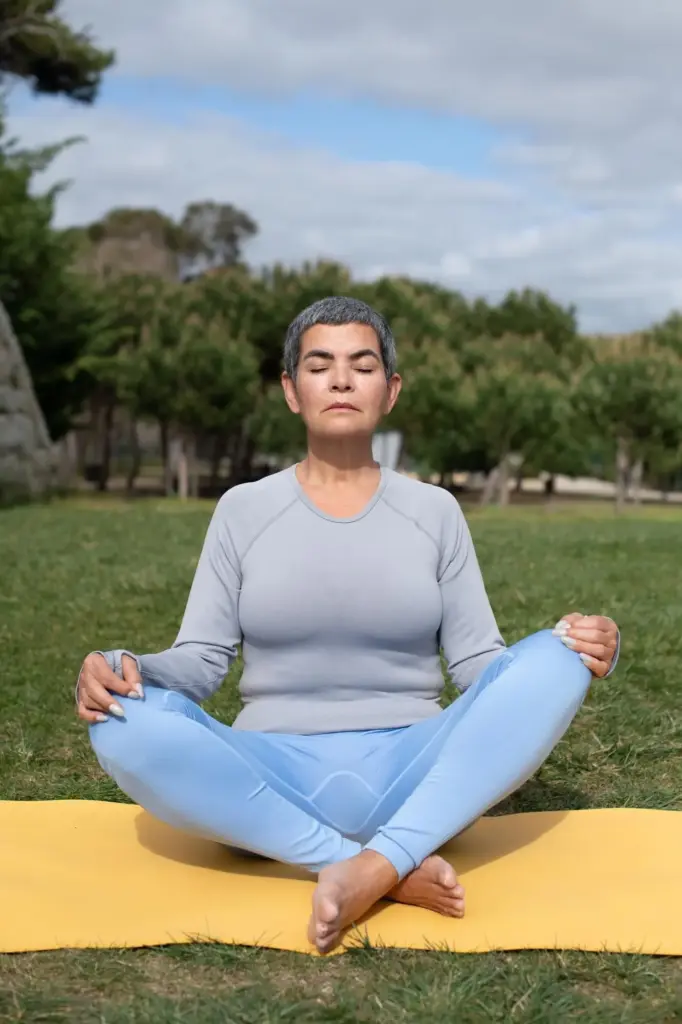
Two minutes of gentle nasal breathing with lips closed, shoulders relaxed, and a longer exhale flips the stress script. As carbon dioxide tolerance steadies, the vagus nerve signals safety and social engagement, softening pulse and expression. Aim for warmth in the belly and unhurried blinking; let the body teach the mind that pressure can pass, and that you can choose responses rather than react reflexively.

A Small Window with Big Effects
A tiny window becomes meaningful when repeated. Brief pauses interrupt rumination loops, clear the perceptual slate, and free working memory for the next choice. Over a day, these light resets accumulate like compound interest, preventing decision fatigue and the irritability that sabotages teamwork, creativity, and listening. You will likely notice cleaner handoffs, kinder emails, and steadier pacing after only a few consistent two-minute practices.
Breathing That Changes the Channel
Breathing patterns offer the fastest steering wheel for state change. Learn options that fit elevators, meeting lulls, or kitchen counters, all quiet and phone-free. Emphasize nasal inhales, lengthened exhales, and relaxed shoulders to downshift without drowsiness. These patterns calm quickly while keeping performance sharp, so pressure loosens its grip and attention becomes steadier. Mix and match techniques and notice which one your body adopts most willingly today.
Physiological Sigh in Sixty Seconds
Take two quick inhales through the nose—the second shorter—to fully inflate tiny alveoli, then a long, unforced exhale through the mouth. Repeat four to six rounds, then spend the remaining minute simply noticing calmer edges in your vision and breath. This reflexive pattern surfaces naturally under strain, and practicing it deliberately reduces involuntary sighing later, transforming scattered energy into grounded presence without drama or equipment.
Box Breathing for Sharp Calm
Breathe in for a count of four, hold four, exhale four, hold four. Keep the jaw easy and the eyes soft. Eight to ten cycles usually fit two minutes comfortably. The equal corners invite stable attention and even emotion, like placing books neatly on a wobbling shelf. If you lose count, smile and begin the square again; steadiness grows through gentle repetition, not force.
Extended Exhale Reset
Inhale for four, exhale for six or eight, letting the abdomen quietly fall while the chest stays broad. This lengthened out-breath eases arousal swiftly, pairing beautifully with shoulder drops and a softened gaze. It is discreet, rebalancing speech pace and handwriting when pressure had pushed both into jittery territory. Use it before presentations, during hold music, or while waiting for a file to export.
Quick Body Resets at Your Desk
Your body accumulates micro-tension in wrists, jaw, neck, and between shoulder blades. Two-minute movement breaks dissolve this build-up without breaking workflow or attracting attention. The goal is circulation, posture refresh, and a kinder facial baseline. These moves pair well with a calming breath ratio and return a sense of length and space to cramped positions. Use them discreetly while reading, thinking, or waiting for feedback.


Mind Focus in a Flash
Attention can shift from turbulence to steadiness with simple cognitive patterns. These two-minute practices avoid perfectionism and rely on everyday awareness: labeling experiences, visualizing safe scenes, and recalling specifics that pull the mind from vague dread. They help conversations feel kinder and reduce the mental static amplifying ordinary challenges, so you step back into work feeling precise rather than pressured. Tiny, repeatable, and secretly enjoyable.


Make It Stick Without Trying Hard
Consistency matters more than intensity. Tie a calm break to coffee, calendar alerts, or doorways, and keep it playful. Use tiny if-then reminders and a visible streak marker. Share your favorite two-minute practice in a quick comment, invite a friend to try one together, and subscribe to keep receiving gentle guidance and encouragement when the week gets demanding.
Tiny Rules You’ll Actually Keep
Implementation intentions work because they remove decision-making in the moment. Try: “After I sit, I exhale longer for ten breaths,” or “When the kettle boils, I palm my eyes.” Keep prompts obvious and friction near zero so momentum survives busy mornings and late-afternoon slumps with equal grace and ease.
Track What Matters
Track with a sticky note grid, pocket notebook, or simple calendar dots. One visible pattern of completed breaks encourages the next one automatically. Jot quick outcomes—steadier voice, easier focus, kinder reply—to reinforce why it matters. The proof shows up in small daily moments that stack into trust you can feel.
When You Miss, Restart Kindly
Missed your usual pause? Smile, shrug, and take one now. All-or-nothing thinking quietly sabotages recovery habits. A compassionate restart preserves identity and momentum, turning today into the story of someone who keeps returning. Two minutes now beats perfect plans postponed again, restoring confidence exactly when it tried to slip.
All Rights Reserved.