Breathe, Stretch, Reset—Right Between Your Meetings
Slide a pocket of calm into your schedule with simple, science-backed stretch-and-breathe routines between meetings. In just one to three minutes, release nagging tension, sharpen attention, and recharge mood—no mat, no gear, no sweat. Follow along, adapt for your space, and share what works so our community can learn from your real workday wins.
Two-Minute Reboots for Busy Schedules
Short, intentional movements and measured breathing dissolve stiffness while inviting a calmer mind, even on packed calendars. These guided micro-routines fit beside a chair, behind a laptop, or in a hallway, and require only curiosity. Try one after your next call, notice shifts, and tell us which combination felt surprisingly effective for you.
The Science of Microbreaks That Actually Works
Between cognitive sprints, your brain and body benefit from tiny shifts that reduce musculoskeletal discomfort, boost heart-rate variability, and restore attention. Stretching with controlled breathing counters sympathetic overdrive, lowers perceived stress, and eases eye strain when paired with brief gaze changes. Share your observations; personal data often convinces more than abstract studies ever can.
Ninety Seconds, Noticeable Results
A focused ninety-second window can produce a meaningful parasympathetic tilt, sensed as slower heartbeats and calmer inner dialogue. Try it after back-to-back calls: rate shoulder tension before and after on a simple ten-scale, and note clarity. Repeated, these tiny wins accumulate into steadier afternoons without caffeine spikes.
Nasal Breathing and HRV
Breathing slowly through the nose encourages nitric oxide release and warms incoming air, while lengthened exhales stimulate vagal pathways that lift heart-rate variability. Aim for five to six breaths per minute. If you track with a wearable, observe trends across weeks, not isolated days, and adjust intensity compassionately.
Posture, Fascia, and Lymph Flow
Sitting still compresses tissues and slows lymph movement; gentle rhythmic motion restores glide across fascial layers and nourishes joints. Shoulder rolls, ankle pumps, and hip hinges act like a pump without strain. Many notice warmer hands afterward, a sign of improved circulation that brings fresh attention along with comfort.
Space-Smart Moves for Tight Workspots
Crowded offices, shared kitchens, and tiny home nooks demand quiet, compact movement. These variations respect clothing, shoes, and neighbors while still delivering relief. Use a stable chair, a wall, or a doorway when available. Keep your breath the metronome, and let subtlety become your superpower during chaotic days.

Seated Spinal Wave Without Noise
Sit tall, plant your feet, and imagine the crown of your head gliding upward as you inhale. Exhale and gently ripple the spine from tail to skull, barely visible. Hands stay on the keyboard if needed. This quiet wave frees stiffness while colleagues remain undisturbed, even in open-plan spaces.

Doorframe Chest Opener in Passing
If a corridor is nearby, set forearms lightly on the frame at shoulder height, step one foot forward, and breathe into the front ribs. Keep the neck long, chin slightly tucked, and ranges gentle. When space is limited, clasp hands behind you instead and soften the elbows.
Stacking Mini-Routines Into Your Calendar
Habit change sticks when cues are obvious and actions feel tiny. Use meeting reminders as anchors, color-code event titles, and celebrate completion with a sip of water or a smile. Commit to a kind, 30-day experiment. Subscribe for weekly flows, and comment with your favorite stack so others can try it.

Stories From Real Workdays
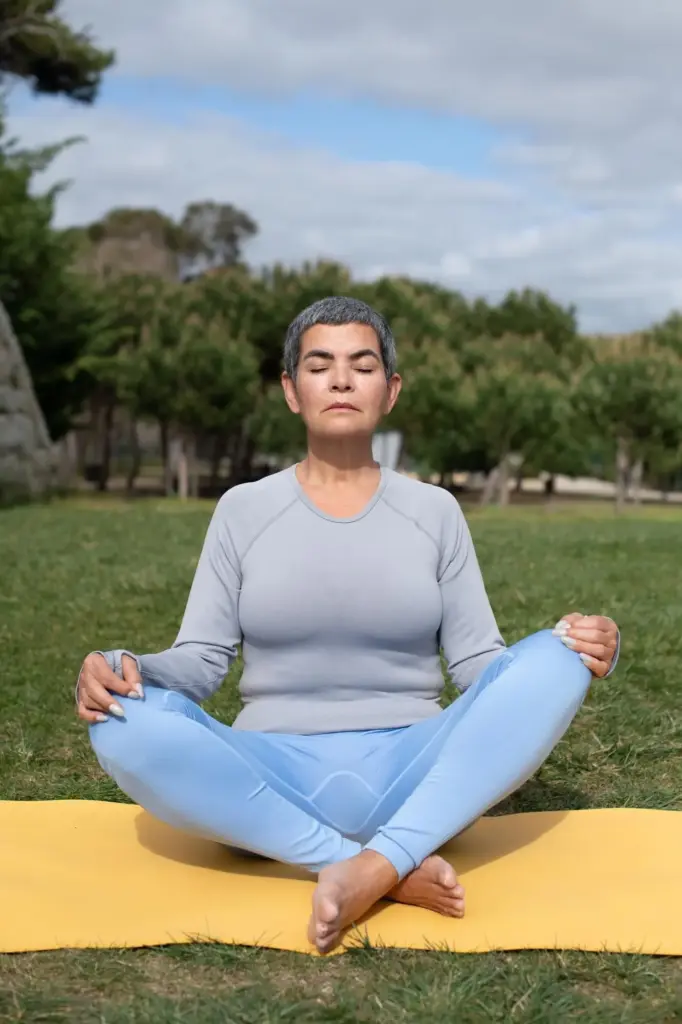
Practical change comes alive through lived experience. Here are snapshots from readers who paired brief stretches with measured breaths between calls and noticed real shifts in comfort, focus, and mood. Add your story in the comments, because someone working like you might need exactly your clever, doable approach today.


Safety, Accessibility, and Kind Progress
Move within comfortable ranges, never into sharp pain, and use supports whenever helpful. Office clothing, heels, and past injuries deserve thoughtful adjustments. If you manage hypertension, joint instability, or recent surgery, consult a clinician. Progress is patient, not competitive. Questions welcome—share needs, and we will suggest gentle alternatives together.



All Rights Reserved.